AI Revolutionizing Medicine by 2026: The Future of Healthcare
AI Revolutionizing Medicine by 2026: The Future of Healthcare
AI Revolutionizing Medicine by 2026: The Future of Healthcare
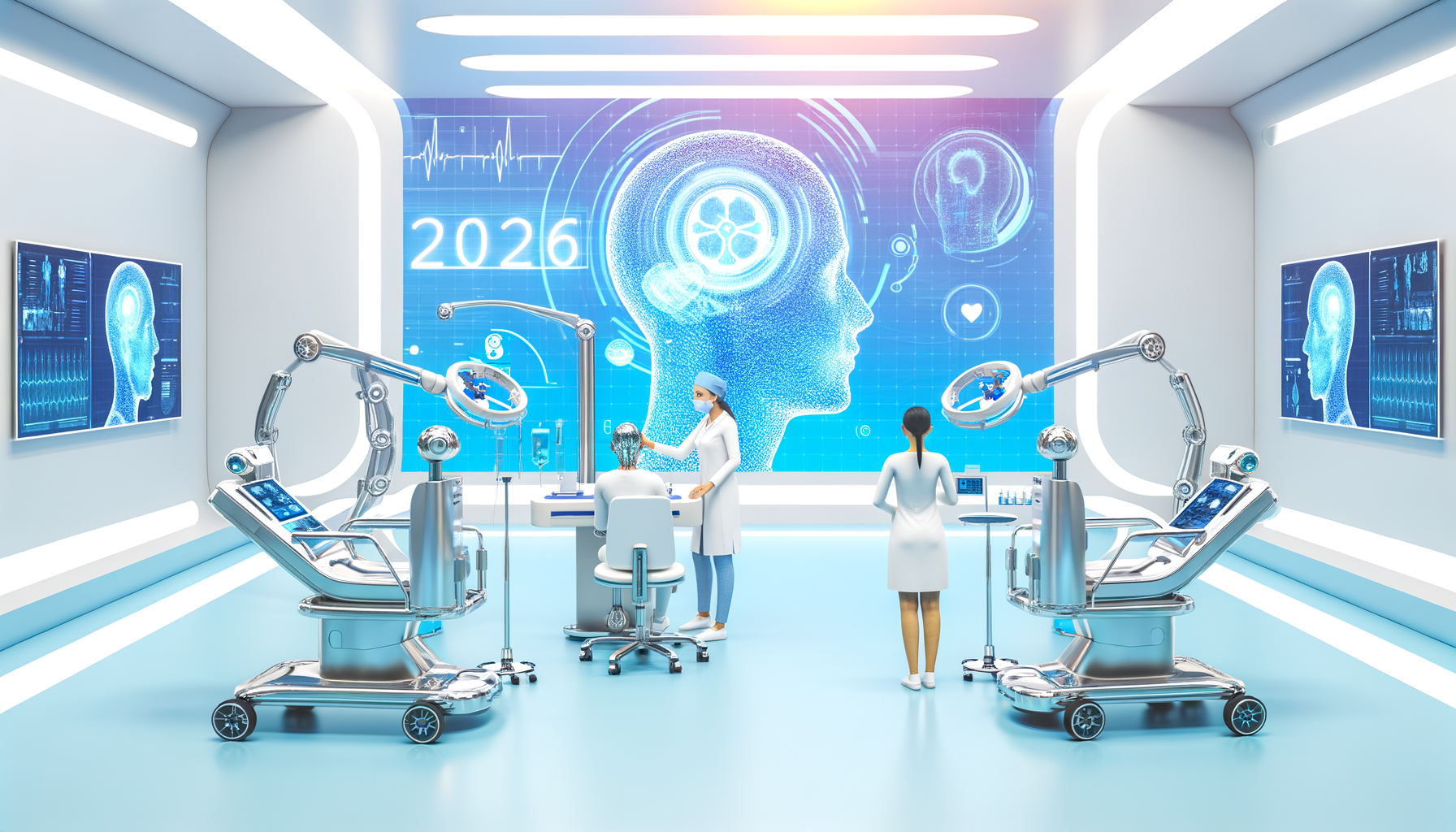
Artificial Intelligence is transforming medicine at a breathtaking pace. By 2026, AI's impact on healthcare will be profound, reshaping diagnostics, treatment, and patient care.
The AI Diagnostic Revolution
AI's ability to analyze vast datasets with remarkable precision is revolutionizing diagnostics. By 2026, AI will not just assist but potentially outperform human doctors in detecting diseases early.
AI in Radiology
Radiology is at the forefront of AI integration. Algorithms can now sift through thousands of images to identify anomalies that might elude even the most experienced radiologists.
- Real-world example: Google's DeepMind AI has achieved remarkable accuracy in identifying breast cancer from mammograms, sometimes surpassing human experts.
- Statistics: A 2023 study showed AI reducing diagnostic errors in radiology by 20%.
Pathology and AI
Pathology, the study of diseases, is another area where AI shines. By analyzing tissue samples, AI can detect cancer cells with unprecedented accuracy.
- AI models are trained on millions of pathology images.
- These systems provide consistent results, reducing the risk of human error.
Predictive Analytics
AI's predictive capabilities are a game-changer for preventive medicine. By analyzing patient data, AI can forecast potential health issues, allowing for early intervention.
- Example: IBM Watson's AI predicts heart disease risk by analyzing lifestyle and genetic factors.
Personalized Medicine: AI's Tailored Approach
The era of one-size-fits-all treatment is waning. AI is ushering in personalized medicine, where treatments are tailored to individual genetic profiles.
Genomic Sequencing and AI
AI accelerates genomic sequencing, making it more accessible and affordable. This technology allows for the customization of treatment plans based on an individual's DNA.
- Statistic: The cost of sequencing a human genome has dropped from $100 million in 2001 to less than $1,000 today.
- AI can analyze vast genomic datasets to identify mutations linked to specific diseases.
Drug Discovery
AI is revolutionizing drug discovery by speeding up the process of finding new medications. AI models predict how different compounds will interact with targets in the body.
- AI reduces drug development time from decades to years.
- Example: AI discovered a potential new antibiotic, halicin, which was developed in a fraction of the usual time.
Personalized Treatment Plans
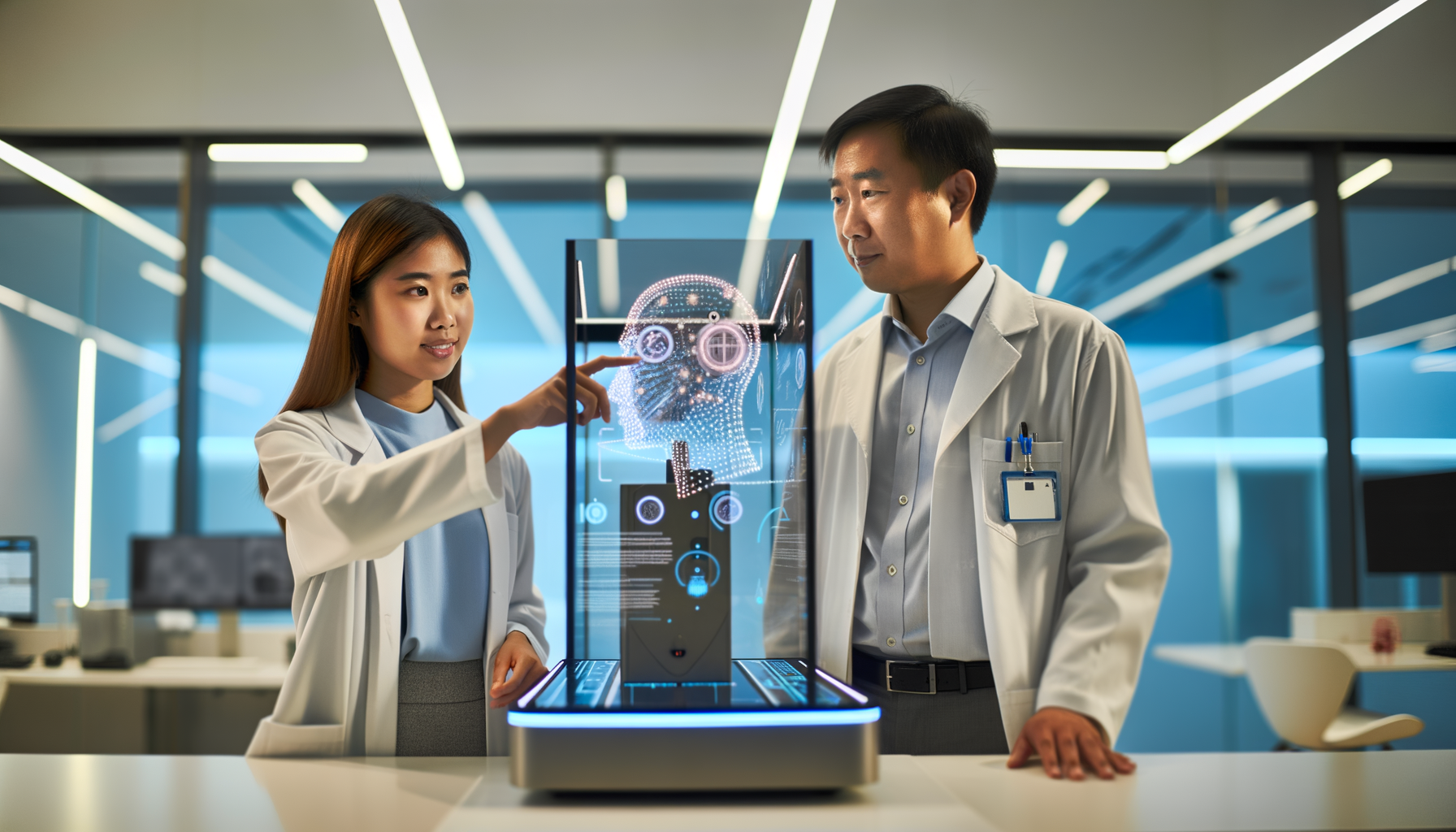
AI creates tailored treatment regimens, considering a patient's unique genetic makeup, lifestyle, and medical history.
- Patients receive drugs and therapies best suited to their genetic profile.
- AI helps in adjusting treatment plans in real-time based on patient response.
AI-Powered Robotic Surgery
Robotic surgery, enhanced by AI, is transforming the operating room. By 2026, AI-driven robots will perform surgeries with precision beyond human capability.
Enhanced Surgical Precision
AI systems assist surgeons with real-time data, improving accuracy and reducing complications.
- Example: The Da Vinci Surgical System uses AI to enhance minimally invasive surgery.
- Surgeons can operate with enhanced dexterity and vision, leading to quicker recoveries.
Autonomous Surgical Robots
By 2026, we might witness fully autonomous surgical robots performing routine procedures.
- These robots will handle repetitive tasks, freeing surgeons for complex decision-making.
- AI ensures consistency, reducing the risk of human error.
Remote Surgery
AI enables remote surgery, where surgeons can operate on patients from anywhere in the world.
- Example: In 2023, a surgeon in New York performed surgery on a patient in Africa using AI-assisted robotic arms.
AI in Patient Care and Management
AI's role isn't limited to diagnostics and surgery. It's also transforming
patient care and management, enhancing the overall healthcare experience.
Virtual Health Assistants
AI-powered virtual assistants provide patients with 24/7 support, answering questions and offering medical advice.
- These assistants can schedule appointments and provide medication reminders.
- Example: Babylon Health's AI chatbot is already diagnosing and advising patients with impressive accuracy.
AI in Chronic Disease Management
AI helps manage chronic conditions by continuously monitoring patient data and offering real-time recommendations.
- AI apps track vital signs and alert healthcare providers to any concerning changes.
- Statistics: AI has reduced hospital readmission rates for chronic disease patients by 15%.
Mental Health and AI
AI is also making strides in mental health, offering support through virtual therapy and mood-tracking apps.
- Example: Woebot, an AI-driven chatbot, offers cognitive behavioral therapy to users.
Ethical and Regulatory Considerations
As AI integrates deeper into healthcare, it brings with it a host of
ethical and regulatory challenges
that must be addressed by 2026.
Data Privacy Concerns
With AI processing vast amounts of personal data, ensuring patient privacy is paramount.
- Regulations like GDPR in Europe protect patient data.
- Healthcare providers must ensure compliance with data protection laws.
AI Bias and Fairness
AI systems must be free from bias, ensuring fair treatment across diverse populations.
- Diverse training datasets are essential to avoid biased outcomes.
- Regular audits of AI systems help maintain fairness and accuracy.
Accountability and Oversight
As AI takes on more roles traditionally held by humans, clear accountability frameworks are necessary.
- Who is responsible if an AI makes a mistake?
- Regulatory bodies are developing guidelines to address these concerns.
Conclusion: The Road Ahead
By 2026, AI will have transformed medicine into a more precise, personalized, and efficient field. Its integration into diagnostics, treatment, and patient care will enhance healthcare outcomes and accessibility. However, the journey will require navigating ethical and regulatory landscapes to ensure that these technological advancements benefit everyone equitably. The future of medicine is bright, and AI is lighting the way.


